




Men Don’t Open Up Because It Was Used Against Them
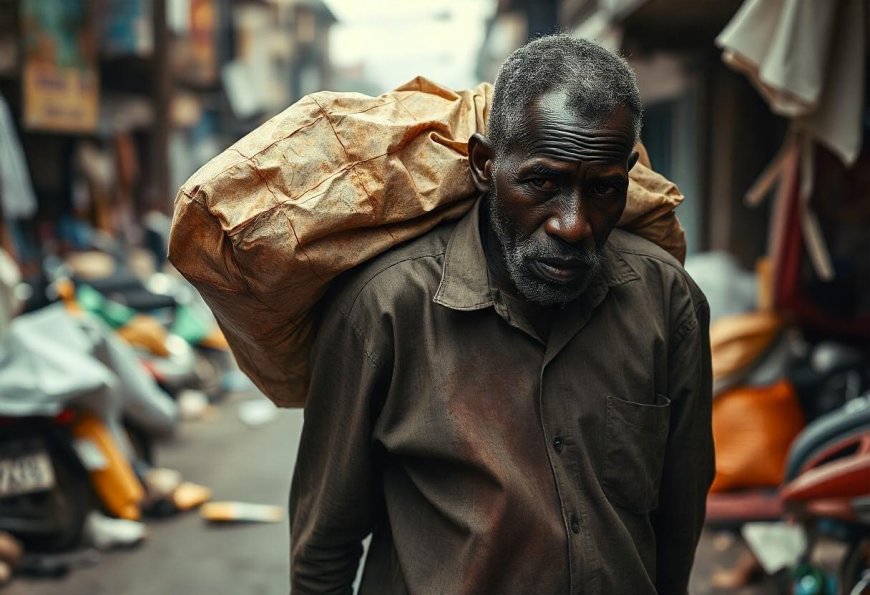
Men are often accused of being emotionally unavailable, distant, or incapable of vulnerability. The accusation sounds simple, but the truth beneath it is complicated and painful. Most men are not silent because they do not feel. They are silent because they remember. They remember what happened the last time they opened up. They remember how honesty, once given in trust, became a weapon. Silence, for many men, is not stubbornness or pride; it is a learned survival skill, developed after vulnerability proved costly.
A man does not arrive at silence by accident. He arrives there through experience. Somewhere along the way, often early in life, a boy shares something real—fear, confusion, sadness, shame—and is met not with protection but with correction, ridicule, or dismissal. The moment may seem small to the adult who speaks the words, but it is large to the boy who receives them. In that instant, he learns that truth is unsafe. He learns that exposure invites harm. And so, slowly, he begins to measure every word he says, every feeling he reveals, every weakness he risks showing.
As the boy grows into a man, the stakes increase. What begins as childhood mockery matures into adult consequences. Men who open up to partners about their insecurities, failures, or fears often discover that those very confessions return later during arguments, thrown back at them with precision. Words once spoken in trust become evidence in conflict, ammunition in moments of anger. This is one of the deepest emotional betrayals a man can experience, because it does not come from enemies but from those closest to him. After that, something closes. Not because he no longer feels, but because he has learned that vulnerability creates leverage. He may continue to love, to provide, to show up, but he will guard his inner world with a vigilance that looks like distance from the outside.
Over time, silence becomes discipline. Men learn to speak in facts, not feelings, to describe events without describing their impact, to say “I’m fine” even when they are not. This is not dishonesty; it is self-preservation. Emotional restraint becomes a form of intelligence in a world that has repeatedly punished openness. Each time a man’s vulnerability is used against him, he closes another door. Each time his honesty becomes a liability, he builds another wall. By adulthood, many men are fluent in conversation yet strangers to being known. They are present, productive, even admired—but deeply alone.
The tragedy is that this silence is often misunderstood. Society complains that men do not talk, yet rarely asks why they stopped. It demands openness without providing safety. It wants vulnerability without responsibility. But men are not afraid of emotions; they are afraid of consequences. When emotional exposure has a history of betrayal, silence becomes wisdom, even if it is a painful one. What looks like emotional absence is often emotional memory. What looks like coldness is often caution.
This is why men trust less with time. Not because they become harder, but because they become wiser in a world that has not proven itself safe. Their circle of trust shrinks, not out of arrogance, but out of experience. And the longer this continues, the heavier the loneliness becomes. Men carry entire inner worlds that no one ever sees—fears they never voice, doubts they never name, grief they never release. They are surrounded by people, yet profoundly alone, and the silence that once protected them slowly begins to suffocate them.
If men are to open up again, the solution is not pressure but safety. Not interrogation but consistency. Not demands for vulnerability but proof that vulnerability will not be punished. When a man opens his mouth and nothing bad happens—when his words are not used later, mocked later, or remembered only to wound later—something begins to heal. Slowly, carefully, reluctantly, trust returns. But this process cannot be rushed. When a man finally speaks, he is not simply sharing information; he is offering trust, and trust is fragile in men who have seen it broken.
To the man who is still silent, your silence makes sense. If your words were once used against you, you were not weak for closing up—you were wise. You were protecting what little remained uninjured. But silence, while it keeps you alive, cannot make you whole. Healing requires at least one safe place where truth is not dangerous, where honesty is not punished, where vulnerability is not remembered only to be used later.
That is what spaces like this exist for. Not to force you to speak, but to give you the chance to do so without fear. You do not have to open all at once. You do not have to bleed everywhere. You only have to know that somewhere, your truth will be handled with care. And when that happens, silence can finally rest.