
How Boys Are Trained to Hide Pain
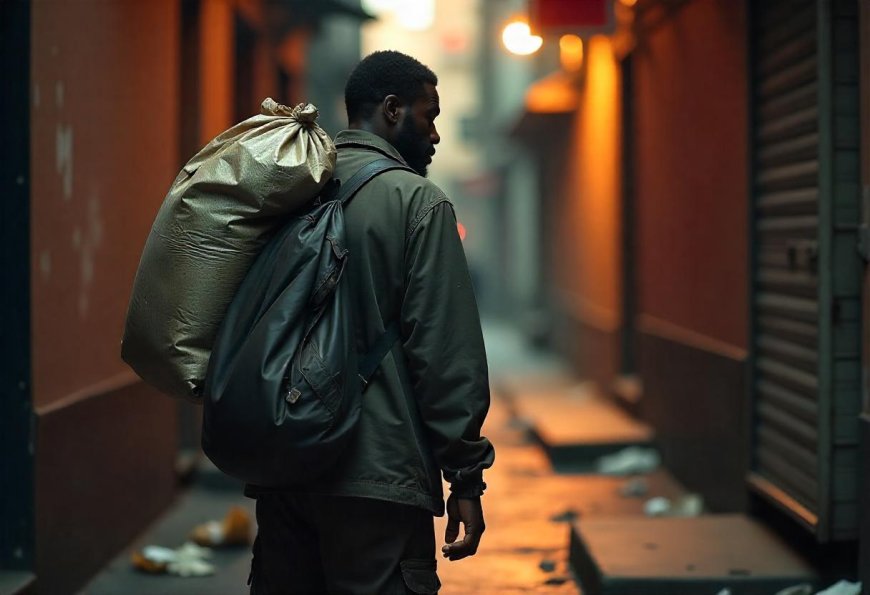
Pain is not something boys naturally hide. It is something they are taught to bury. No ceremony marks the beginning of this education, no single voice announces the lesson, yet by the time a boy becomes a man, the training is complete. He has learned to swallow tears, to disguise fear as anger, to convert sadness into silence, and to carry emotional weight alone. This is not nature. It is culture. It is repetition. It is survival training passed quietly from one generation of men to the next.
The first lesson comes early, often before a boy has language for what he feels. A fall, a loss, a moment of confusion — and the response is swift: stop crying, be strong, don’t act like a girl. The words are small, but the message is enormous. Pain is embarrassing. Vulnerability is dangerous. Expression is weakness. A boy does not learn that his feelings are wrong; he learns that they are unwelcome. So he closes his mouth, dries his eyes, and hardens just enough to be accepted.
As he grows, the rules sharpen. In classrooms, sensitivity becomes mockery. On playgrounds, tears become targets. In sports, pain is a badge of honor only if it is endured silently. At home, strength is praised while softness is corrected. Everywhere, the world offers him a bargain: hide what hurts, and you will belong. Show it, and you will be isolated. So he adapts. Boys are excellent at adaptation. They learn to laugh when they want to cry, to joke when they are afraid, to stay busy when they are breaking. They learn to perform masculinity, even when it costs them their inner lives.
The most damaging lesson often comes when a boy finally risks honesty. He opens his mouth and lets something real escape — fear, confusion, loneliness, shame. And later, in anger or argument, that truth is used against him. Mocked. Dismissed. Weaponized. This moment is decisive. It teaches him that vulnerability is not just uncomfortable — it is unsafe. From then on, silence becomes armor. Not because he lacks emotion, but because he has learned the price of expression.
Adulthood rewards this silence. Men who do not complain are called strong. Men who endure are called reliable. Men who carry everything alone are called leaders. Society does not ask how a man is doing; it assumes he is fine as long as he is functioning. And so he continues to function. He works. He provides. He shows up. But inside, something is eroding. Pain does not disappear when it is hidden — it migrates. It becomes irritability, addiction, emotional distance, overwork, rage, numbness. The same pain that was once tears now lives in his body, his relationships, and his choices.
This is why men often “collapse” without warning. From the outside, it looks sudden. From the inside, it has been building for years. The silence that once protected him now suffocates him. The strength that earned him respect now isolates him. And when the weight finally becomes too heavy, the world is shocked — but the man is not. He has been tired for a long time. He just never had permission to say it.
The tragedy is not that men feel deeply. It is that they feel deeply alone. Boys were never taught how to name emotion, how to ask for help, how to sit with pain without being ashamed of it. They were taught to endure, not to heal. To survive, not to speak. And survival, over time, becomes a prison.
But this training can be unlearned.
Strength is not the absence of pain. It is the courage to face it without letting it destroy you. It is the willingness to speak before you break, to name what hurts before it turns into something else. A man who learns to speak does not become weak — he becomes whole. He becomes present. He becomes free.
To the man reading this: if you were trained to hide pain, it was not your fault. You were doing what you had to do to survive. But you no longer have to live in survival mode. You are allowed to have words. You are allowed to take up emotional space. You are allowed to be human.
This is not the end of strength.
This is the beginning of it.